
![THE HERALD STUDENT REPORTERS [US]](/assets/images/logo_student_us.png)
![THE HERALD STUDENT REPORTERS [Canada]](/assets/images/logo_student_ca.png)

Life born from non-living matter: ‘Spud Cell’, the world’s first fully synthetic cell
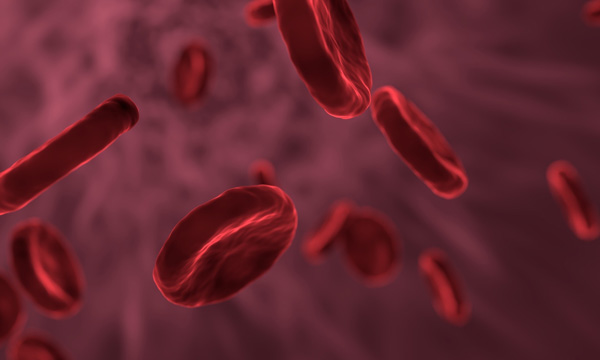
[Cell. Photo Credit to Pixabay]
A University of Minnesota Twin Cities team announced the creation of the world’s first synthetic cell assembled entirely from purified, nonliving components.
The finding has not yet undergone peer review; it comes from a preprint the team posted online on July 1, 2026.
These cells, dubbed ‘Spud Cells,’ are artificial cells that exhibit growth, feeding behavior, replication of their genome, division, and competition across generations.
The research was led by synthetic biologist Kate Adamala.
Unlike previous attempts to build minimal cells by stripping down living bacteria, the Spud Cell was constructed from the ground up using purified components: 36 enzymes, a 90,000-base-pair genome split across nine separate DNA molecules, and a lipid membrane, according to a research summary published by Biotic, a nonprofit that profiled the project.
Some of its genetic material was sourced from E. coli, while other segments came from the DNA viruses T7 and Phi29, according to public entries profiling the discovery.
External scientists are describing the achievement as the closest researchers have ever come to building a living cell completely from scratch.
To replicate life-like functions without traditional cellular structures, the Spud Cell relies on clever physical mechanisms rather than complex biological machinery.
Rather than synthesizing its own nutrients internally, Spud Cells grow by absorbing small feeder packets of lipids called liposomes.
A protein produced from the Spud Cell’s own DNA binds to the feeder’s membrane, triggering a fusion that supplies lipids, enzymes, and molecular fuel, such as ATP.
Because its own genetic code strictly regulates how much it feeds and expands, the team successfully engineered a fully functional cell with a genome far smaller than what any natural bacterium would require.
Cell division operates on a similarly unconventional principle.
Natural biological cells rely on an internal protein scaffold called the cytoskeleton to pinch themselves in half and separate.
Spud Cells lack a cytoskeleton entirely.
Instead, as they feed and synthesize internal proteins, these molecules steadily accumulate along their inner membrane.
Eventually, the growing physical pressure and surface tension cause the swollen membrane to snap apart, splitting the cell into two distinct daughter units.
The breakthrough has drawn widespread admiration, alongside active scientific debate.
Roseanna Zia, a computational cell biologist at the University of Missouri, praised the project as a stunning scientific achievement, while Adamala noted that her team managed to replicate purely in chemistry, what was previously thought possible only in living biology.
However, the research path has faced notable controversy.
The paper was initially submitted to the high-impact journal Cell but was rejected after a peer reviewer argued that a chemically driven particle without autonomous metabolism does not constitute true biology.
Following the rejection, Adamala shared the 190-page manuscript with journalists under a news embargo before uploading it directly to the preprint server bioRxiv, a sequence that Heidelberg University synthetic biologist Kerstin Göpfrich called an unusual way of publishing academically.
Researchers were quick to emphasize the Spud Cell’s fundamental limits.
It cannot actively regulate its internal metabolism, manage toxic waste, divide continuously across endless generations without human aid, or evolve through natural selection.
In the strict biological sense, it is not fully alive.
Despite these limitations, the creation of Spud Cell marks a transformative milestone for biotechnology.
For decades, scientists have strived to construct artificial cells to uncover how non-living molecules first self-assembled into life on early Earth.
Beyond addressing evolutionary questions, programmable synthetic cells could one day operate as microscopic bio-factories to synthesize rare medicines or function as targeted drug delivery vehicles that target diseased tissues before safely dissolving without leaving toxic remnants behind.

- Seohyun (Claire) Lee / Grade 11
- Bodwell International School