
![THE HERALD STUDENT REPORTERS [US]](/assets/images/logo_student_us.png)
![THE HERALD STUDENT REPORTERS [Canada]](/assets/images/logo_student_ca.png)

43-day shutdown becomes longest in U.S. history
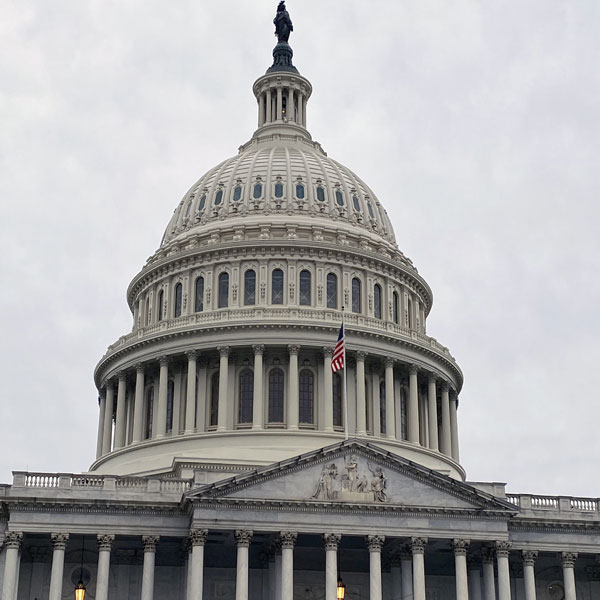
[The U.S. Capitol. Photo Credit to Pixabay]
On October 1, 2025, the United States federal government shut down due to Congress’s failure to pass funding for the 2026 fiscal year.
The shutdown lasted 43 days, until November 12, marking the longest in U.S. history.
Hundreds of workers were sent home without pay, and millions were still working without pay.
For many families, the sudden loss of income caused uncertainty and stress.
Lawmakers could not agree on a budget, leaving agencies without money and halting important government services.
The effects of the shutdown were far-reaching.
Many federal offices closed or operated with limited staff, delaying services that millions of Americans rely on, such as processing tax refunds, passport applications, and loan approvals.
Programs providing food assistance and other social services were threatened or interrupted, putting families at risk.
This created problems for people who relied on these programs.
Airport security and air traffic were missing staff, causing flight delays and cancellations.
Some federal employees struggled to cover basic expenses, including rent, bills, and groceries, while waiting for back pay once the government reopened.
The economic impact was significant.
Experts estimated that the shutdown could cost the U.S. economy up to $90 billion.
While some of this lost economic activity may be temporary, a portion of it is likely to be permanent, including lost wages and delayed government contracts.
The shutdown significantly impacted people’s everyday lives, particularly those who rely on government programs for healthcare, nutrition, and other essential services.
After weeks of being undecided, a deal was finally reached to reopen the government.
On November 10, 2025, the Senate passed a compromise funding bill, followed by approval in the House on November 12, 2025.
President Donald Trump signed the bill the same day, officially bringing an end to the shutdown on November 12.
The agreement funded most federal agencies through January 2026 and provided full-year funding for critical sectors like agriculture, veterans’ services, energy, and military construction.
Despite the government reopening, the central dispute over ACA health-insurance subsidies remained unresolved.
Lawmakers planned a separate vote in December, leaving uncertainty for millions of Americans.
The shutdown also eroded public trust in Congress and its ability to work effectively.
Federal workers went through financial hardship, critical government services were interrupted, and the economy suffered.
The shutdown also shows how political disagreements can affect the daily lives of citizens and the public programs they rely on.
Brad Schneider warns that the shutdown stalemate has damaged “trust” needed for good‑faith negotiations.
The 2025 shutdown serves as a stark reminder of the critical importance of prudent government financial management and the profound impact that policy disagreements have on the daily lives of citizens.
With the government now back in operation, people will see whether future events like this can prevent disruptions or keep affecting regular Americans.
Many Americans expressed frustration with elected officials and questioned their ability to prioritize the needs of the public.
In the long term, the shutdown may influence how future budget negotiations are handled by Congress.

- Jayden Lee (Chanmin Lee) / Grade 8 Session 12
- Canyon Hills Junior High