
![THE HERALD STUDENT REPORTERS [US]](/assets/images/logo_student_us.png)
![THE HERALD STUDENT REPORTERS [Canada]](/assets/images/logo_student_ca.png)

The concerns over the severity of the Nipah virus is rising
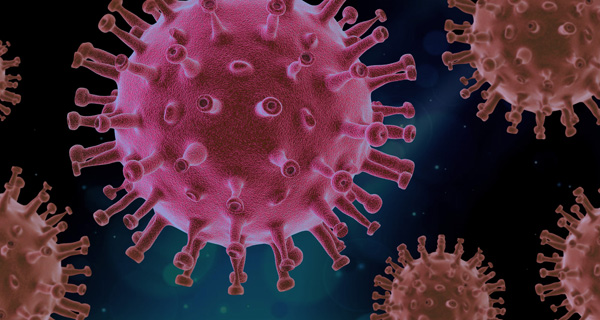
[The Virus. Photo taken by Pixabay]
On January 27, 2026, Indian health authorities confirmed two cases of infection with the Nipah Virus in a local community.
In response to this alarming discovery, India’s health officials have swiftly implemented a series of measures aimed at containing the virus and preventing its further spread.
The Nipah virus is a pathogen primarily found in animals, particularly fruit bats or pigs, but it can also infect humans, leading to severe health complications.
In addition, contaminated food can contribute to the spread of the infection.
Common initial symptoms include fever, headache, and muscle pain.
As the disease progresses, individuals may experience more serious neurological symptoms such as dizziness, drowsiness, confusion, and seizures.
If left untreated, the infection can rapidly escalate to a severe and life-threatening condition.
One of the most alarming aspects of the Nipah virus is its high fatality rate, which can range from 40% to as much as 75%, depending on various factors, including the outbreak context and the healthcare system's response.
Currently, there are no approved vaccines or effective treatments available to combat the virus, making it a major public health concern.
In a recent outbreak involving two infected individuals, 196 people who were in contact with them underwent testing, and all results returned negative.
Yet, these concerns regarding the Nipah Virus had begun to surface in 2025, prompting health authorities to enhance their preparedness for potential outbreaks.
On September 8, 2025, the Korea disease control and Prevention Agency (KDCA) formally announced about the Nipah virus and its designation as Class 1 statutory infectious disease.
KDCA strongly advises citizens to take precautions against potential health risks associated with animal contact.
To minimize exposure, individuals should avoid consuming wild foods, particularly raw date palm sap, and practice strict sanitation measures.
For those traveling to countries such as Indonesia or Bangladesh, it is essential to adhere to these safety guidelines.
Travelers are encouraged to stay informed about local health advisories and to maintain good hygiene practices, including thorough handwashing and avoiding close contact with animals.
In the event that travelers experience any symptoms that may resemble the early stages of the Nipah virus infection—such as fever, headache, or respiratory issues—they should promptly report their health status to a medical professional for assessment and guidance.
Moreover, the World Health Organization (WHO) has evaluated the epidemiological risks associated with the Nipah virus and determined that its potential for widespread transmission is low, which was kept on track with the most recent update on January 30, 2026.
The WHO works closely with countries at risk of virus outbreaks to strengthen guidance and activities aimed at preventing virus infections.
They plan to support surveillance activities, clinical management, laboratory services, and infection prevention efforts to address the issue.
At this time, the WHO does not recommend implementing travel and trade restrictions.
However, it remains essential for travelers to stay vigilant and prioritize their health and safety while abroad.

- Juhee Han / Grade 10
- Branksome Hall Asia