
![THE HERALD STUDENT REPORTERS [US]](/assets/images/logo_student_us.png)
![THE HERALD STUDENT REPORTERS [Canada]](/assets/images/logo_student_ca.png)

The Trump administration overhauls national park fee-free days for 2026, removing MLK Jr. Day and Juneteenth
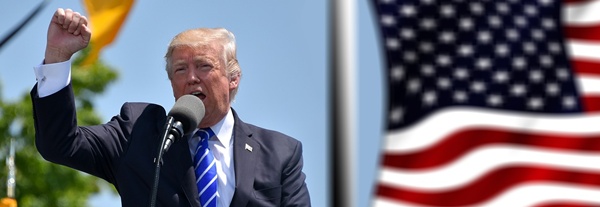
[Donald Trump gives a speech on the new policy. Photo Credit to Pixabay]
The National Park Service announced a revised schedule of fee-free admission days for 2026 that removes Martin Luther King (MLK) Jr. Day and Juneteenth while adding Flag Day, which falls on June 14, President Donald Trump’s birthday, according to the Department of the Interior and multiple national news outlets.
These changes, set to take effect January 1, 2026, signify a shift in how the federal government designates free access days to national parks and have prompted criticism from civil rights advocates and Democratic lawmakers.
Under the updated calendar, U.S. residents will continue to receive free admission on several traditional holidays, including Presidents Day, Memorial Day, Independence Day weekend, Constitution Day, Veterans Day, and a special date marking the 110th anniversary of the National Park Service.
Additionally, the administration also added Theodore Roosevelt’s birthday on October 27 as a fee-free day, citing his role in expanding and shaping the modern national park system.
While some dates were added to the calendar, others with long-standing historical and cultural importance were removed.
Martin Luther King Jr. Day had been a fee-free day for more than a decade, while Juneteenth was added to the schedule in recent years following its designation as a federal holiday in 2021; both, however, were removed from the 2026 calendar.
Interior Department officials said the revisions are part of a broader effort to emphasize patriotic observances and prioritize access for U.S. residents, while also restructuring fees to support park maintenance and operations.
However, the administration’s explanation failed to ease concerns among critics.
Reaction to the removal of MLK Day and Juneteenth was swift, with civil rights leaders and advocacy groups condemning the decision as disrespectful of holidays that commemorate Black history and the civil rights movement.
Democratic lawmakers also voiced opposition, with Senator Catherine Cortez Masto of Nevada criticizing the administration for removing holidays honoring Black Americans’ struggle for freedom while adding a day associated with the president himself.
Beyond the holiday controversy, the revised policy also introduces new costs for some visitors.
In addition to altering fee-free days, the administration announced new fees for international visitors beginning in 2026.
Non-U.S. residents will face a $100 surcharge at 11 of the country’s most popular national parks, and the cost of the annual America the Beautiful pass for international visitors will increase from $80 to $250.
The Interior Department estimates these changes could generate more than $90 million annually to support park infrastructure and conservation efforts.
The revised policy also removes several other previously recognized fee-free days, including the first day of National Park Week, Great American Outdoors Day, National Public Lands Day, the Bureau of Land Management’s anniversary, and the first Sunday of National Wildlife Refuge Week, while Veterans Day remains unchanged.
In response to the federal decision, some states have announced their own policies.
California officials have confirmed that state parks will continue offering free admission on Martin Luther King Jr. Day in 2026, allowing residents to observe the holiday at state-managed sites even as federal parks charge admission.
As Americans plan park visits for the coming year, the new fee-free calendar has become a focal point in a broader debate over how national parks reflect national values, history, and public access, with supporters emphasizing financial sustainability and critics urging the reinstatement of holidays tied to civil rights and emancipation.

- Joseph Shin / Grade 12 Session 11
- Valley Christian High School