
![THE HERALD STUDENT REPORTERS [US]](/assets/images/logo_student_us.png)
![THE HERALD STUDENT REPORTERS [Canada]](/assets/images/logo_student_ca.png)

mRNA-based approaches show potential to restore immune function in aging organisms
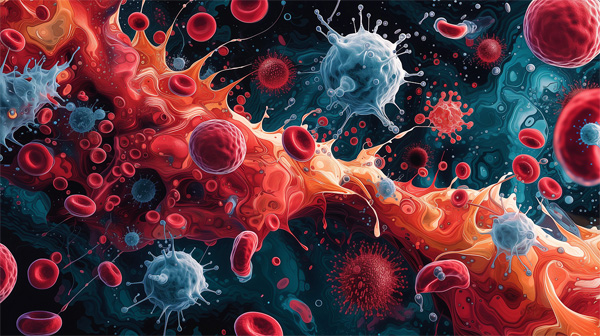
[Immune Function. Photo Credit to Pixabay]
In December 2025, researchers reported in a ScienceDaily analysis that messenger RNA (mRNA)-based approaches may be able to restore aspects of immune function in aging organisms.
The analysis focused on experiments with aging organisms in which researchers used synthetic mRNA to reactivate immune pathways that typically weaken with age, raising the possibility that immune decline may be more reversible than previously believed.
This decline reduces the body’s ability to fight infections, respond to vaccines, and eliminate abnormal cells such as cancer cells.
For decades, researchers largely considered immune aging irreversible, leading them to focus on managing age-related diseases rather than restoring immune function itself.
To explore whether immune decline could be modified, researchers designed mRNA molecules that activate key immune signaling pathways involved in immune cell renewal and responsiveness.
When these mRNA constructs were administered to aged mouse models, they observed significant improvements in immune activity.
Immune cells that normally show reduced responsiveness with age exhibited stronger activation and improved reactions to immune challenges.
mRNA is a naturally occurring molecule that carries genetic instructions from DNA to the cellular machinery responsible for producing proteins.
Unlike gene-editing technologies, mRNA does not permanently alter genetic material.
Instead, mRNA provides temporary instructions that are translated into proteins and naturally degraded, allowing researchers to influence biological processes in a controlled and reversible manner.
Due to this temporary nature, mRNA has attracted interest as a tool for immune modulation.
In the reported studies, researchers found that the immune enhancement was not permanent, but it was sufficient to suggest that immune decline may not be a strictly one-way process.
Rather than viewing immunosenescence as an unavoidable deterioration, the findings indicate that certain immune functions can be reactivated under targeted molecular conditions.
The implications for vaccination are particularly significant. Aging organisms often generate weaker immune responses, reducing the effectiveness of vaccines.
If mRNA-based treatments can temporarily enhance immune readiness, future vaccines could be paired with immune-stimulating mRNA to improve protection in aging populations.
Such an approach could reduce the severity of infectious diseases that disproportionately affect older individuals.Immune rejuvenation also holds promise for cancer prevention and treatment.
The immune system plays a critical role in identifying and eliminating cancer cells, but immune surveillance weakens with age.
By improving immune responsiveness, mRNA-based strategies could enhance the effectiveness of immunotherapies, which rely on active immune cells to target tumors.Despite these promising results, researchers have emphasized caution.
The researchers conducted the studies in animal models, and it remains unclear whether similar immune restoration can be safely achieved in humans.
Overstimulating the immune system could increase the risk of inflammation or autoimmune reactions, making careful control of dosage and treatment duration essential.
Further research and clinical trials will be required to determine how long the immune-enhancing effects last and whether they can be safely translated into human medicine.
Nevertheless, the findings expand the potential role of mRNA technology beyond its current experimental applications.
While still an early result, the research suggests that immune aging may be more flexible than once assumed.
By demonstrating that mRNA can modulate immune decline, these studies offer a new perspective on aging biology and point toward future strategies that focus on strengthening the body’s natural defenses rather than only treating disease after it appears.

- Esther Kim / Grade 11 Session 11
- Lexington High School