
![THE HERALD STUDENT REPORTERS [US]](/assets/images/logo_student_us.png)
![THE HERALD STUDENT REPORTERS [Canada]](/assets/images/logo_student_ca.png)

Novo Nordisk's Wegovy weight loss pill is approved by the FDA
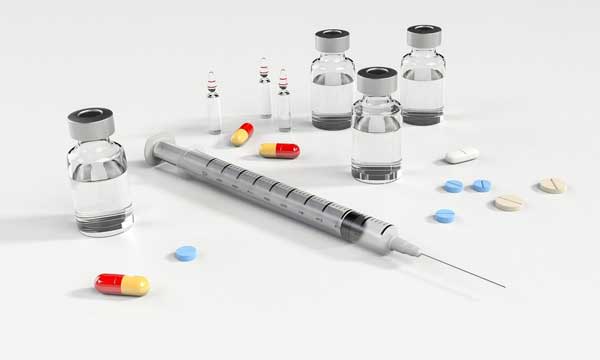
[Various medications from pills to injections. Photo Credit: Pixabay]
A daily pill version of Novo Nordisk's weight-loss medication Wegovy was approved by the US Food and Drug Administration on December 23rd, offering patients a new option for the treatment of obesity.
The medication, which Novo Nordisk refers to as just the Wegovy pill, uses semaglutide, the same active ingredient that drives the original Wegovy injectable shot and Ozempic, its sister medication for diabetes.
Wegovy and Ozempic, both imitating the hormone GLP-1, are administered as weekly injections, as are competing Eli Lilly medications Zepbound and Mounjaro.
According to data from health policy research groups, around one in eight US adults claim to be using one of the medications at the moment.
Novo Nordisk announced that the Wegovy pill, set to be prescribed in the US in January, demonstrated weight loss and side effects that were comparable to those of the Wegovy injection in clinical trials.
Recognizing that some patients are hesitant about injectable medication, the pharmaceutical company created the new tablet in the hopes that it would increase patient access and options.
Under a November agreement with the Trump administration, individuals paying out-of-pocket will have to pay $149 for the Wegovy pill's initial dosage.
As dosages rise, the medication will probably grow more expensive for self-pay, though Novo Nordisk has not yet disclosed those costs.
The copay will probably be reduced for patients whose insurance covers the medication.
Wegovy is one of two oral GLP-1 medications that are anticipated to go on sale in the coming months.
Lilly's other medication, known as orforglipron until it receives a brand name, is anticipated to obtain FDA approval by the summer.
The Wegovy pill demonstrated an average weight loss of 14% over 64 weeks, compared with 2% for a placebo, while orforglipron demonstrated an average weight loss of 11% over 72 weeks at its highest dose, compared with 2% for the placebo group.
However, the pills have not been directly compared in a clinical trial.
In its major trial, Wegovy injections demonstrated 15% weight loss compared to 2% for placebo, and Zepbound demonstrated 21% weight loss at its maximum dose compared to 3% for placebo.
Studies of the pills also revealed that the most frequent negative effects of GLP-1 medications are gastrointestinal problems like nausea and vomiting.
In the Wegovy pill experiment, side problems caused 7% of patients to discontinue treatment overall, compared to 6% on a placebo.
Up to 10% of patients quit using orforglipron in the research, compared to 3% who took a placebo.
The Wegovy tablet differs from the other medications in that it must be taken on an empty stomach with a tiny amount of water, and patients are instructed to refrain from eating, drinking, or taking other medications for half an hour after consumption.
Lilly boasts that orforglipron was administered once daily at any time, without regard to food or water restrictions, during clinical trials.
If and when Lilly's tablet is authorized, that convenience aspect may tip the scales in its favor.

- Sian Choi / Grade 11
- Yongsan International School of Seoul