
![THE HERALD STUDENT REPORTERS [US]](/assets/images/logo_student_us.png)
![THE HERALD STUDENT REPORTERS [Canada]](/assets/images/logo_student_ca.png)

Teenagers are struggling to get enough sleep
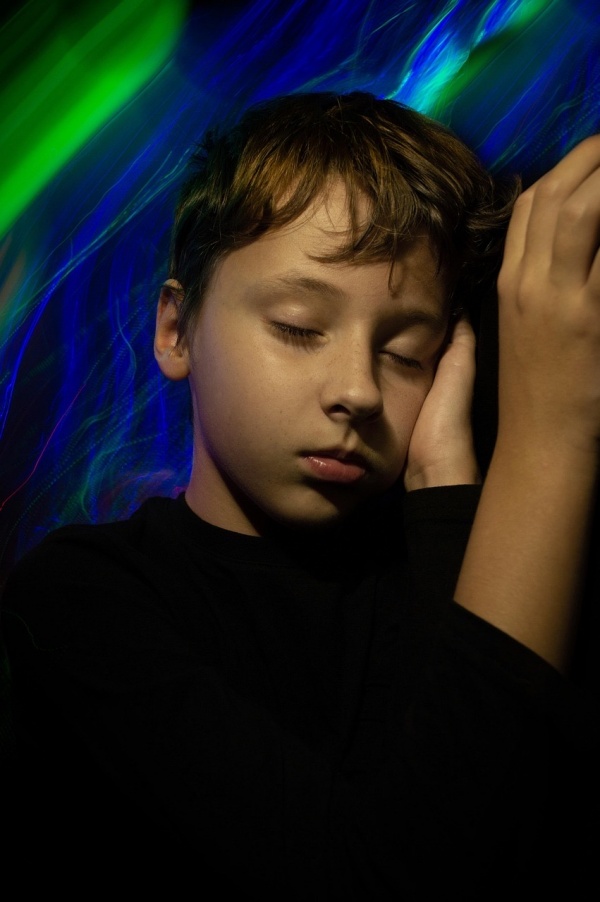
[An image of a sleeping teenager. Photo Credit to Pixabay]
According to the Centers for Disease Control and Prevention (CDC) 2023 Youth Risk Behavior Survey, approximately 77% of U.S. high school students reported not getting enough sleep on school nights, making insufficient sleep one of the main health concerns teenagers face today.
The CDC recommends that teenagers between the ages of 13 and 18 should regularly get around 8 to 10 hours of sleep every night to support their healthy development.
While sleep has always been necessary for survival, modern lifestyles have made it increasingly difficult to get enough rest for millions of teenagers worldwide.
Many teenagers stay awake longer than they should because of homework, extracurricular activities, or spending time on electronic devices before going to bed.
Despite these busy schedules, the American Academy of Sleep Medicine emphasizes that sleep is as important as eating nutritious food and exercising regularly.
Although many people believe staying up late allows them to accomplish more, research suggests that consistently getting too little sleep actually reduces productivity rather than improving it.
When a person sleeps, their brain processes information learned throughout the day, strengthens memories, and prepares itself to learn new material the next day.
Due to this process, teenagers who get enough sleep often find it much easier to concentrate during class, complete assignments, and retain important information during tests.
Sleep also gives the body enough time to repair muscles, regulate hormones, and strengthen the immune system so that teenagers are better prepared to fight illnesses.
The CDC has found that teenagers lacking sleep may face a greater risk of developing health problems later in life, such as obesity, heart disease, high blood pressure, and diabetes.
In addition to physical health, sleep plays a major role in supporting emotional well-being and maintaining positive mental health.
Teenagers who are sleep-deprived are often more likely to become irritable, stressed, or anxious.
Teenagers are particularly affected because their developing brains require enough sleep to handle emotional regulation, decision-making, and learning.
The increasing popularity of electronic devices and video games has also contributed to later bedtimes for teenagers.
Furthermore, the National Sleep Foundation explains that bright light produced by electronic screens can interfere with the body's natural production of melatonin, the hormone responsible for inducing drowsiness.
As a result, sleep researchers are encouraging teenagers to reduce screen time before bed in order to improve the quality of their sleep.
Simple habits such as maintaining a consistent bedtime, limiting caffeine, and sleeping in a quiet environment can also help teenagers create healthier sleep routines.
Some schools have even considered later start times because researchers believe that beginning classes later would help teenagers gain more of the sleep their bodies naturally need.
Yet, others point out that changing school schedules could cause inconvenience, such as transportation challenges for parents.
Although opinions differ on the topic, many health organizations agree that helping teenagers get sufficient sleep should be the top priority.
Many organizations, such as the CDC and the American Academy of Sleep Medicine, recommend that teenagers should sleep more because sufficient rest benefits the overall quality of life.
Even though sleeping may seem like a simple everyday activity, it is actually one of the most important factors influencing a teenager’s daily lifestyle.
As society becomes busier and technology-dependent, squeezing in time for adequate sleep may be one of the healthiest decisions teenagers can make for themselves.

- William Kim / Grade 10 Session 13
- Sunny Hills High School