
![THE HERALD STUDENT REPORTERS [US]](/assets/images/logo_student_us.png)
![THE HERALD STUDENT REPORTERS [Canada]](/assets/images/logo_student_ca.png)

New study links ultra-processed food to heart disease, exposing hidden cost of convenience
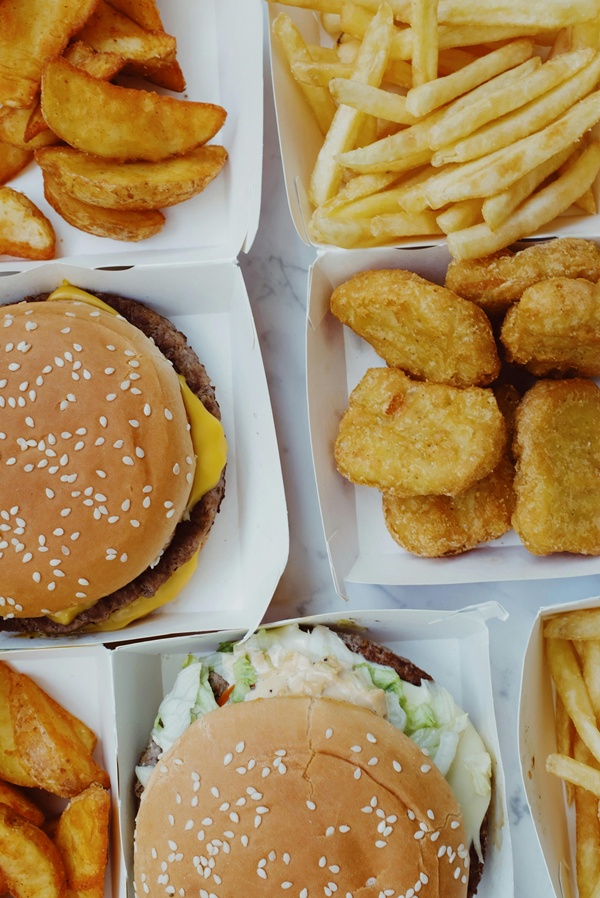
[Photo Credit: Pexel]
On March 16th, researchers reported that higher consumption of ultra-processed food is associated with a significantly increased risk of heart attack and stroke in their article published in the Journal of the American College of Cardiology.
Led by cardiologist and nutrition researchers from institutions including UCLA, Wake Forest, and Baylor College of Medicine, the team conducted a large observational study, tracking dietary data and cardiovascular complications within a multiethnic cohort.
The finding pushes nutrition into the center of cardiovascular medicine.
Recent research from the Northeastern University’s Network Science Institute estimates that roughly 70-73% of the U.S. food supply is ultra processed, and that these products are more than 50% cheaper than less processed alternatives on average.
In a nation where packaged snacks, frozen meals, and sugary drinks have become daily staples, the study prompts a re-evaluation of familiar menus, raising critical questions about how food technology, inequality, and health collide.
Within a food system that prioritizes speed, shelf life, and low cost, can society reduce its independence on ultra-processed convenience to change the trajectory of American heart health?
The research not only invites individuals to look at their grocery cart differently, but underscores that individual choice is only a fraction of the story when environments are saturated with ultra processed options.
The findings extend beyond the clinical realm into sociology and public policy.
Research reveals major retailers stock “mostly ultra-processed foods,” with only a small fraction of truly minimally processed items, meaning that even health-conscious shoppers struggle to navigate aisles dominated by heavily processed products.
For millions of Americans, especially those in low-income areas, the barrier to health is even higher: instead of supermarkets with fresh produce, local options are often limited to fast-food chains and convenience stores where almost only ultra-processed, packaged foods are available.
According to the Food Access Research Atlas by the USDA, about 50 million people live in low-income, “low access” areas, where they are more than a half-mile in urban areas or 10 miles in rural areas from the nearest supermarket or large grocery store.
Limited access often translates to residents heavily relying on nearby convenience outlets that prioritize speed and low cost over nutritional value due to the lack of time and resources available to them.
These environments shape shopping habits and likely influence cardiovascular risk in measurable health.
A longitudinal study published in the journal in 2019 found that every 10% increase in the proportion of neighborhood convenience stores was associated with a 34% higher likelihood of developing subclinical atherosclerosis, a process of artery clogging that underlies heart attacks and strokes.
Taken together, the scientific findings demonstrate that heightened health risks linked to consumption of ultra-processed foods are not simply a matter of individual preference but a systemic problem rooted in how the food industry and geography are designed.
The cardiovascular study moves the ultra-processed food debate to hard outcomes, highlighting a clear public health issue that demands greater political and medical attention.
The study also emphasizes the heavy production method itself, not just individual nutrients, as a risk factor, encouraging a shift in guidelines toward how foods are engineered, packaged, and distributed.
Mitigating heart attacks and strokes through diet will require more than individual effort; environments that make selecting less processed, whole foods realistic, not a privilege, are a prerequisite to healthier lives.

- Jiwoo Bang / Grade 11
- The Madeira School