
![THE HERALD STUDENT REPORTERS [US]](/assets/images/logo_student_us.png)
![THE HERALD STUDENT REPORTERS [Canada]](/assets/images/logo_student_ca.png)

The 2026 Iran war disrupts global trade and increases regional tensions
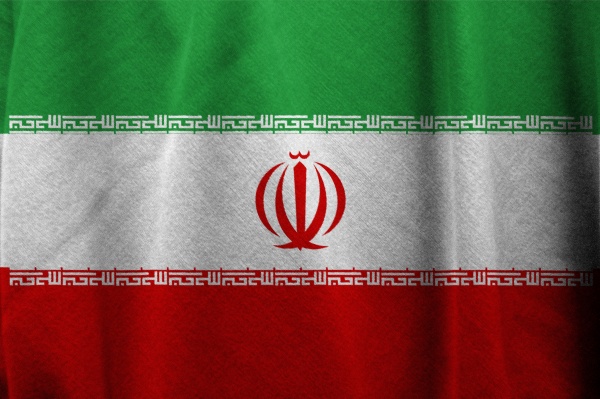
[Iran flag. Photo Credit to Pixabay]
On May 5, 2026, the United States declared the conclusion of the offensive phase of its military campaign against Iran, even as Washington and Tehran continued to exchange threats over control and navigation through the Strait of Hormuz.
The 2026 Iran War has developed into a major regional crisis, with far-reaching consequences.
Fighting between Iran, the United States, Israel, and their regional allies has spread far beyond the battlefield, disrupting global trade, resource distribution, and the lives of millions of civilians.
What began as a series of military strikes and rising political tensions has now escalated into a broader confrontation impacting global trade, energy supplies, and civilian life across the region.
Rising tensions surrounding the Strait of Hormuz have played a major role in intensifying the crisis.
Both Iran and the United States have issued threats while increasing their military presence in the area.
These actions have disrupted major oil shipping routes, raising concern about global energy supplies and economic stability.
Shipping traffic through the Strait plummeted to well below 10% of normal volumes by April 9, according to Reuters.
On April 21, only three ships passed through the strait in 24 hours, compared with about 140 ships per day before the conflict.
As a result, instability in the region can trigger immediate reactions in global energy markets and financial systems.
The conflict has escalated into a sustained military confrontation.
It includes repeated airstrikes, drone attacks, and naval engagements between opposing forces.
A May 4 report from the Institute for the Study of War detailed continuing threats to commercial shipping and U.S. efforts to protect vessels passing through the Strait of Hormuz.
Iran has employed asymmetric tactics, such as drones and smaller-scale attacks, while the United States and its allies have responded with coordinated naval operations and advanced defense systems.
This ongoing exchange has increased the risk of further escalation, as both sides continue to fortify their military positions without reaching a resolution.
At the same time, diplomatic tensions have intensified alongside the military conflict.
Leaders from both Iran and the United States have issued repeated warnings, heightening fears of further confrontation.
The conflict has also had dire consequences for civilians.
In several regions, evacuations have taken place, and damage to infrastructure has limited access to basic services such as electricity, water, and healthcare.
These consequences illustrate that modern conflicts extend beyond military targets and can significantly disrupt everyday life for people living in affected regions.
Moreover, the conflict is no longer limited to Iran alone.
It has expanded into neighboring countries, including Lebanon and Iraq, where military activity and attacks have intensified.
Fighting is now taking place across multiple fronts simultaneously, making the situation increasingly complex and difficult to control.
As the conflict escalates, the risk of a larger regional war continues to grow.
The 2026 Iran war has developed into a major international crisis with both regional and global consequences.
If tensions continue to escalate without a lasting diplomatic resolution, the conflict could expand further, creating greater instability in the region and beyond.

- Jayden Lee / Grade 8 Session 12
- Canyon Hills Junior High