
![THE HERALD STUDENT REPORTERS [US]](/assets/images/logo_student_us.png)
![THE HERALD STUDENT REPORTERS [Canada]](/assets/images/logo_student_ca.png)

Trump administration orders sweeping review of green cards following D.C. shooting
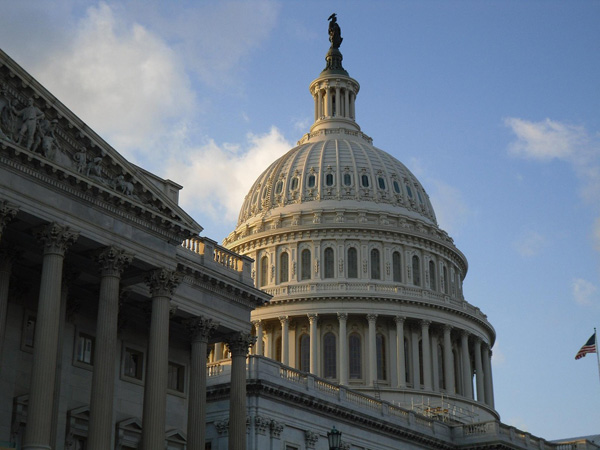
[This picture shows the Capitol Building sitting beautifully in Washington, DC. Photo Credit to Pixabay]
The fatal shooting in Washington, D.C., that killed West Virginia National Guard Specialist Sarah Beckstrom, 20, and critically injured Staff Sgt. Andrew Wolfe, 24, has prompted a sweeping immigration crackdown by the Trump administration. The suspect, Rahmanullah Lakanwal, a 29-year-old Afghan national, was arrested following what authorities described as an ambush-style attack near the White House. Lakanwal arrived in the United States in 2021 through “Operation Allies Welcome,” the Biden-era resettlement initiative for Afghans who collaborated with U.S. military and government efforts. He reportedly collaborated with several U.S. agencies in Afghanistan, including a CIA-backed unit in Kandahar. Although officials have yet to establish a motive, the incident has reignited national debates over security, refugee vetting, and the responsibilities of the U.S. toward its wartime partners. Under direct orders from President Trump, U.S. Citizenship and Immigration Services (USCIS) Director Joseph Edlow announced a “full-scale, rigorous reexamination” of all green cards issued to immigrants from 19 countries deemed “of concern.” Those nations, identified in a June presidential proclamation, include Afghanistan, Burma, Chad, the Republic of the Congo, Equatorial Guinea, Eritrea, Haiti, Iran, Libya, Somalia, Sudan, Yemen, Burundi, Cuba, Laos, Sierra Leone, Togo, Turkmenistan, and Venezuela. USCIS officials have stated that the reviews will incorporate “negative, country-specific factors,” including each country’s capacity to produce secure identity documentation. The administration has also taken more immediate steps. The Department of Homeland Security (DHS) implemented an indefinite pause on all immigration processing for Afghan nationals and launched a review of asylum approvals granted under the Biden administration. DHS Assistant Secretary Tricia McLaughlin declared the pause to be “effective immediately” and will remain until vetting standards and security procedures are reassessed. Officials framed these actions as essential for homeland protection, stressing that national safety is their “singular focus and mission.” President Trump, addressing the shooting in a video statement, condemned the attack as “an act of evil, hatred, and terror,” and blamed the previous administration for Lakanwal’s entry into the country. He reaffirmed plans to reexamine every Afghan who arrived under Operation Allies Welcome and proposed an indefinite halt on immigration from “all Third World countries” to stabilize the U.S. system. Trump also warned that “20 million unknown and unvetted foreigners” entered during the previous administration and suggested that immigrants who are “not net assets” to the nation should be removed. Shawn VanDiver, founder of #AfghanEvac, argued that Lakanwal’s actions should not dictate the treatment of thousands who fled Taliban rule. “Every community has individuals who may cause harm, but one person should not determine the fate of thousands,” he stated. Richard Bennett, the United Nations Special Rapporteur on Afghanistan, similarly called it “terribly unjust” to hold entire communities accountable for an individual crime. More than 190,000 Afghans have resettled in the United States since the 2021 withdrawal from Afghanistan, many initially housed at military bases before integrating into local communities. Lakanwal applied for asylum in 2024 and was granted approval in April 2025 under the Trump administration, highlighting the complexities of large-scale resettlement and vetting. The comprehensive reexaminations could destabilize the lives of legal immigrants and refugees who have already met federal eligibility standards. The Alliance of Afghan Communities has urged the government not to stall cases for thousands of Afghans who followed the legal process, warning that one tragedy should not derail the futures of people who supported U.S. missions. As the DHS reevaluates asylum and refugee programs, the Lakanwal case has become a flashpoint in the national debate over how to balance security concerns with humanitarian obligations—testing America’s policies, principles, and promises.

- Joseph Shin / Grade 12 Session 11
- Valley Christian High School